>midnight_enjoyer/Youtube_Experiment.txt
Fixing YouTube habits in 30 days
May 16 2026
Social media platforms profit from keeping users scrolling as long as possible. The effects of this economy have been damaging: attention spans and literacy rates are among the hardest hit. Children given phones often become extremely irritable, and taking the device away can provoke intense anger. Saturated colors, noisy cartoons, constantly shouting characters, and the dopamine rush of endless videos are just some of the problems that make internet use harmful for kids.
Another widespread problem, affecting people of all ages, is the absence of silence. There is little opportunity for quiet reflection or meditation because thoughts are continually drowned out by videos or music. Private, simple places like the toilet, the kitchen sink, or the shower have been invaded by noise that does not belong there. Ever notice how you start worrying about the future right before bed? Perhaps those important moments for reflection during the day are being silenced, and the storm of worries arrives during the only time you’re not overwhelmed by external stimulation.
For the most part, these platforms feel disposable. Deliberately watching TikTok or other short-form video feeds can be as mind-numbing as an addictive habit. It's digital crack; few people would defend excessive consumption of that format. Still, some social media can be valuable. You might follow a particular personality (I hate the terms “content creator” or “influencer”), need videos for educational purposes: recorded classes, troubleshooting tech, and sometimes enjoy infotainment in your downtime. The most worthwhile material tends to be longer-form videos on platforms like YouTube (by “long,” I mean videos not optimized for short-form algorithms; they can still be only a few minutes long).
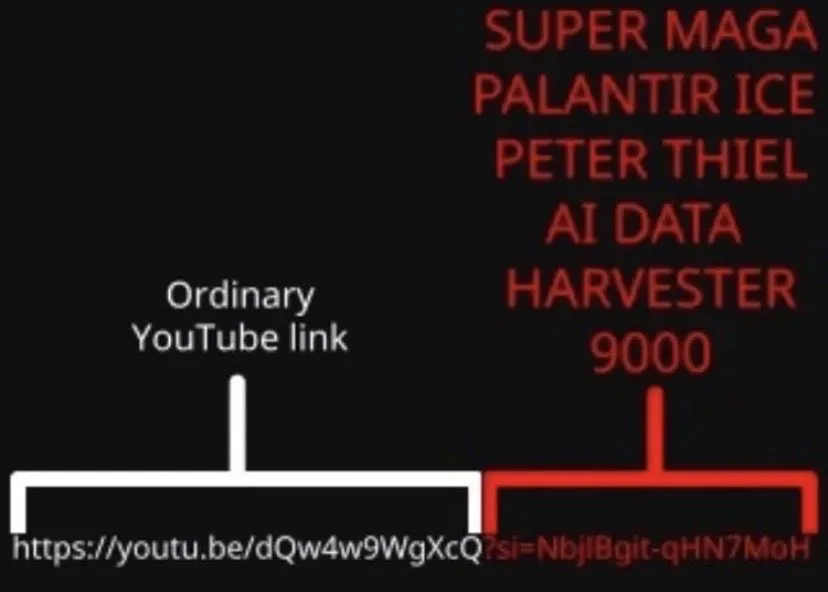
Getting a better experience out of YouTube
YouTube, out of the box, is cluttered with ads, short-form content, and intrusive recommendations. You can make the site much cleaner with a few tools and tweaks.
- Enhancer for YouTube: a browser extension that customizes which elements appear — hide short videos and recommendations, disable autoplay, and more.
- Ad blocking: use uBlock Origin with a Mozilla-based browser; Google has been restricting blockers on Chromium-based browsers. (Hopefully Mozilla, which receives significant funding from Google, won’t follow the same path.)
- SponsorBlock: automatically skips sponsor segments inside videos (it can also skip intros, outros, and other off-topic segments).
- DF YouTube: removes the YouTube home recommendations; I use it to avoid a homepage full of suggested videos. (Enhancer developers: consider adding this feature).
DISCLAIMER: If you choose to block ads/sponsor segments, support your favorite personalities by directly donating to them or signing up to their monthly subscriptions.
After applying these modifications, the result is a much cleaner YouTube experience. You can find my configs and settings here.
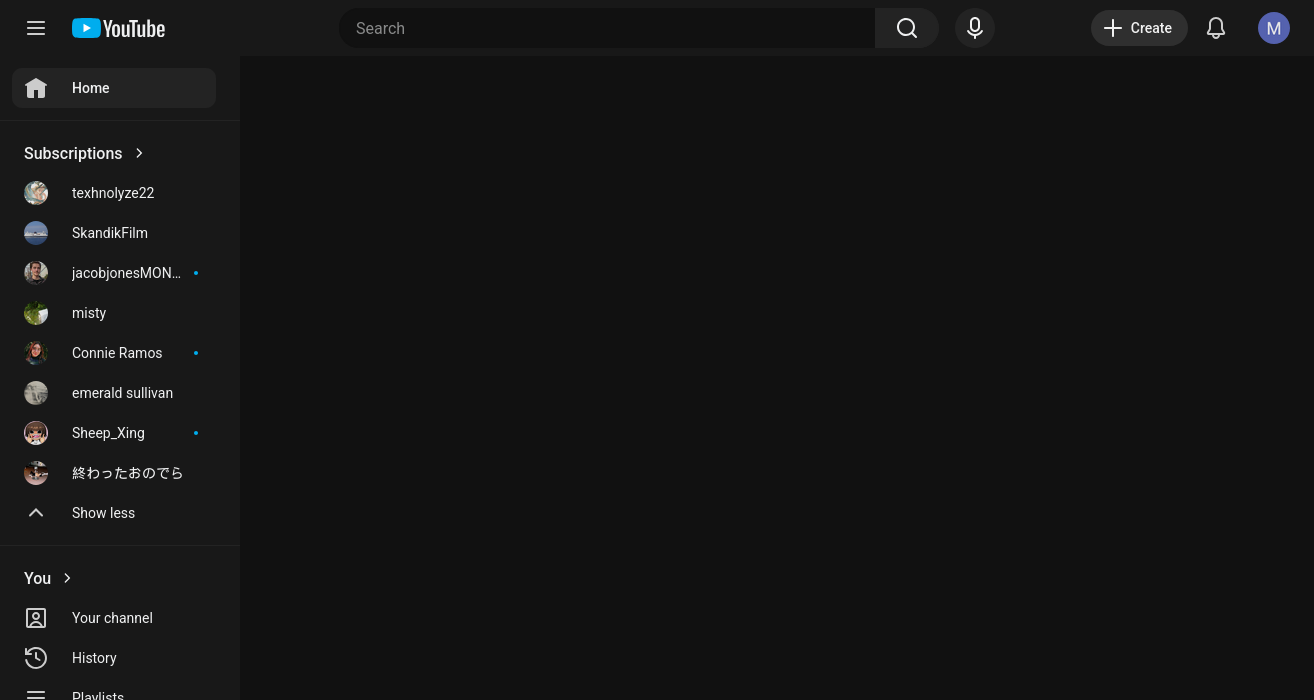
These tools can make browsing much more comfortable, but I prefer a more extreme approach. Using extensions still ties you to a Google account, which is a privacy concern for some people. If you cannot install apps or programs, use the extension-based method above. Otherwise, I recommend alternative front-ends that are customizable, such as FreeTube, NewPipe, or GrayJay.
- Desktop: FreeTube and GrayJay are both available. FreeTube is simple and focused on YouTube only; GrayJay offers more features and supports multiple platforms. Both let you disable or hide unwanted features and do not require a Google account.
- Mobile: I recommend avoiding smartphones for anything beyond calls and navigation when possible, but if you need to watch videos on a phone, use GrayJay or NewPipe; both support multiple platforms.
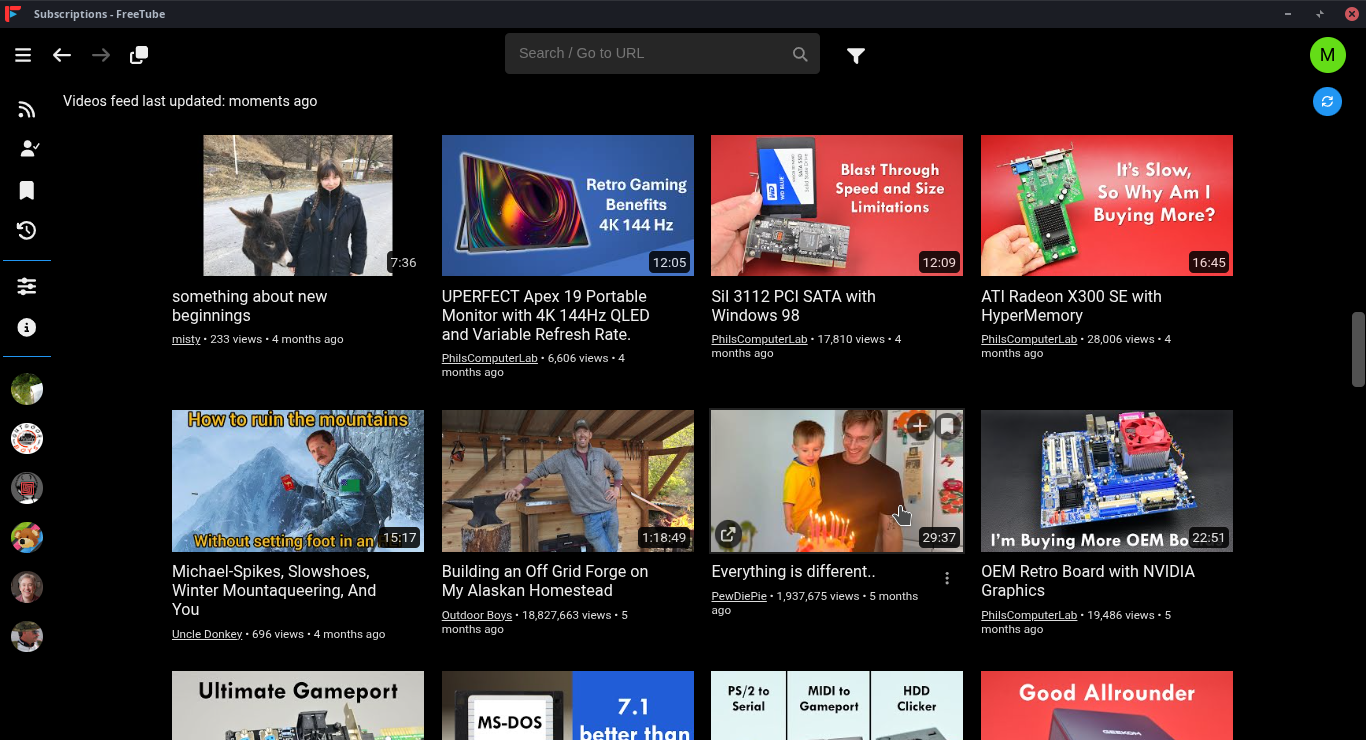
After changing a few settings, my FreeTube home looks like this.
The Experiment
Tools alone won't change your habits. You can still become addicted to videos even when using blockers and alternative front-ends. Try this 30-day experiment to build healthier media habits:
- Choose channels with calming content you could (although you shouldn't) watch before bed: no news, no drama, no violence.
- Stop browsing recommended videos; watch only from your Subscriptions tab.
- Avoid all short-form videos.
- Do not multitask while watching: give each video your full attention.
- Avoid watching videos right before bed when possible. If you need something to distract you from intense distress, increase silent periods during the day to enable better reflection and meditation, and limit yourself to a single calming video before sleep.
By removing recommendations, hiding short-form content, and disabling comments, you reduce distractions and make it easier to absorb what a video teaches or how it entertains. The video itself should be a brief escape from the rest of the world. Limiting yourself to a small number of subscriptions removes the paradox of choice and eliminates the scrolling needed to find something interesting. If some channels use clickbait, enable a thumbnail/title simplifier (the “de-arrow” feature) to make thumbnails cleaner and titles more honest.
My results
I significantly reduced my screen time and started getting proper sleep. The apps I recommend let you resume where you left off, so you can close the app and go to bed without worrying about timestamps. Removing distressing content also made me calmer during the day and reduced overthinking. Hiding comments and recommendations helped me keep focus on what really matters: the video. Channels I found helpful:
- PewDiePie: his family vlogs are perfect for when you can’t sleep.
- Odd Tinkering: relaxing, hands-on projects.
- Phil’s Computer Lab: informative but low-key.
- Tom Scott: educational and still soothing.
- Victor Bart - RETRO Machines: similar to Phil's.
I encourage anyone reading this to try the experiment and see how improving your relationship with technology and the internet can enhance daily life. For this article, I drew inspiration from Jacob Smith’s Spotify experiment, which you should try as well.

